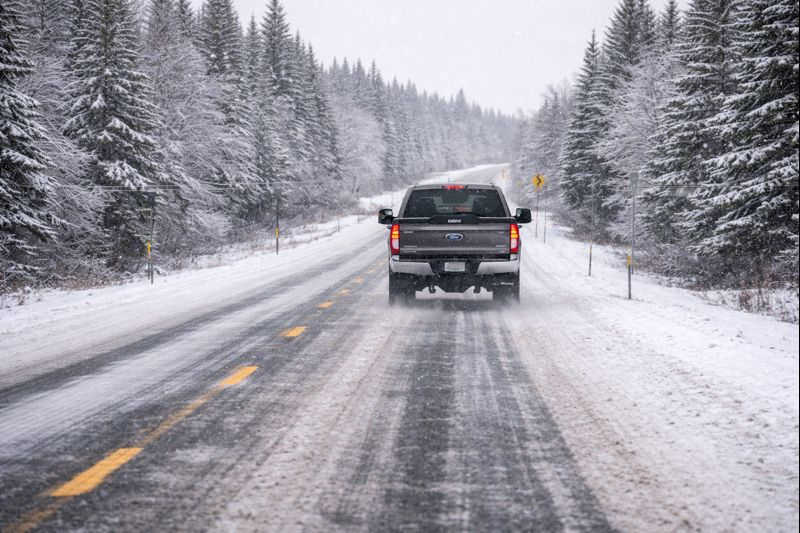
Wondering when to install your winter tires or whether last year's set is still good for another season? Here's what Newfoundland drivers should check before temperatures drop.
It might feel a little early to be thinking about winter tires in September, but this is actually one of the best times to take a look at what you already have.
You don't necessarily need to put your winter tires on yet. What you do want to know is whether the set you stored last spring is ready for another Newfoundland winter, or whether you'll need to replace a tire, buy a new set or make changes to your winter setup before the colder weather arrives.
A good rule of thumb is to start watching the temperature instead of waiting for snow. Once temperatures are consistently around 7°C or lower, winter tires begin to make sense. Before reinstalling last year's set, check all four tires for tread depth, uneven wear, cracks or damage, age and any previous repairs.
When should you put winter tires on in Newfoundland?
A good guideline is to switch to winter tires once temperatures are consistently around 7°C or lower. You don't need to wait for the first snowfall.
Temperature matters because the rubber in all-season and summer tires starts to lose flexibility as it gets colder. Winter tires are made with rubber compounds designed to stay more flexible in lower temperatures, helping them maintain traction as conditions cool down.
That matters in Newfoundland because fall doesn't always give us a clean transition into winter. A stretch of rain can quickly turn into frost, slush, freezing rain or an early snowfall, sometimes within the same week.
For drivers travelling the Trans-Canada Highway, rural roads or longer distances between Central Newfoundland communities, it's worth watching the temperature trend rather than waiting until snow is actually in the forecast. One chilly morning doesn't mean you need to rush out and change your tires. But once temperatures around 7°C and below are becoming the norm, it's time to start planning your changeover.
Do you need to replace your winter tires every year?
No. A good set of winter tires can last for several seasons, depending on how much you drive, how they wear and how they've been stored.
But having winter tires in storage doesn't automatically mean they're ready to go back on the vehicle.
Before reinstalling them, take a look at the condition of all four tires. Check the tread depth, look for uneven wear, cracks or other visible damage, and consider the age of the tires and whether any of them were repaired last season.
If you're unsure, it's worth having them inspected before your changeover. Finding out now that one or more tires need replacing gives you time to look at your options before colder weather and appointment demand pick up.
-
Check the tread depth
Tread depth is one of the first things to look at when deciding whether your winter tires are ready for another season. Transport Canada recommends at least 4 mm, or about 5/32", of tread depth for the safest winter driving and advises against using winter tires below 4 mm in severe snow conditions.
Don't just check one spot. Measure the tread in several places across each tire because tires can wear unevenly. A tire can still have visible tread and look fine at a glance, but that doesn't necessarily mean it has enough depth left for another full winter.
-
Look for uneven wear
Check whether the tread is wearing evenly across each tire.
If one edge is much more worn than the other, or you notice bald spots or noticeably different tread depths across the tire, it's worth having it looked at before reinstalling the set.
Uneven wear can be related to things like wheel alignment, tire balance or other vehicle issues, so the deepest part of the tread doesn't always tell the full story.
-
Check for cracks, cuts or other visible damage
Take a close look at both the tread and sidewalls of each tire.
Watch for cracks, cuts, bulges, blisters or anything embedded in the tread that could cause a slow leak. Damage that seemed minor when the tires came off in the spring may be more noticeable after months in storage.
If you spot anything questionable, have the tire inspected before putting it back into service.
-
Consider the age of the tires
Tread depth isn't the only thing that matters. Tires also age over time, even if they haven't been driven much.
You can find the tire's manufacture date on the sidewall. It's part of the DOT code, with the final four digits showing the week and year the tire was made.
If your winter tires are several years old, have them inspected before assuming they're good for another season. Age, storage conditions, wear and overall condition should all be considered together.
-
Think about previous punctures or repairs
A properly repaired tire can still be usable, but it's worth remembering whether any of your winter tires had a puncture, slow leak or repair last season.
If one did, mention it when the tires are being inspected. The location and condition of the repair matter, and some damage isn't obvious while the tire is sitting in storage.
If you're unsure about an old repair, have it checked before relying on that tire for another winter.
-
Look at all four tires as a set
Don't judge each winter tire completely on its own. The condition of the full set matters.
Transport Canada recommends installing winter tires on all four wheels to help maintain consistent traction and vehicle stability.
If one tire is badly worn or damaged while the other three still look good, replacing just one may not always be the right solution. Differences in tread depth, tire type or condition can affect how the vehicle handles.
If one tire is questionable, have the whole set checked before deciding what to replace.
What if you bought a different vehicle since last winter?
If you've changed vehicles since last winter, don't assume your old winter tires or wheels will automatically work with the new one.
Even if the tire size looks similar, the correct setup can depend on several things, including tire size, load rating, wheel specifications and compatibility with the vehicle's tire pressure monitoring system (TPMS).
This is especially worth checking if you've moved into a different model, changed vehicle size or purchased a used set of winter tires and wheels from someone else.
Before planning your winter changeover around an existing set, have the fitment confirmed for your vehicle. If you're driving a Ford, Kelly Ford's Parts or Tire Centre can help verify whether your current tires and wheels are suitable or help you look at the right replacement options.
Are your winter tires ready for another season?
If you're not sure what your inspection means, this quick guide can help:
| What you find |
What to do next |
| All four tires have at least 4 mm of tread, even wear and no visible damage |
Plan your seasonal changeover as temperatures begin staying around 7°C or lower. |
| Tread is getting close to 4 mm |
Have the tires inspected before deciding whether to use them for another full winter. |
| One or more tires have cracks, bulges, significant damage or unusual wear |
Have the set inspected before reinstalling it. |
| You're unsure about an old puncture or repair |
Have the repaired tire checked before relying on it for another winter. |
| You changed vehicles since last winter |
Confirm that the tires, wheels and TPMS setup are suitable for your current vehicle. |
| Your current set needs replacing |
Compare replacement winter tires, a dedicated set of winter wheels or a complete tire-and-wheel package. |
What are your options if you need new winter tires?
If your current winter tires aren't going to make it through another season, there are a few different ways to build your winter setup.
Replace the winter tires only
If your existing wheels are still suitable for the vehicle, you may only need a new set of winter tires.
This can be the simplest option upfront, but the tires will need to be mounted and removed from the wheels during seasonal changeovers.
Add a separate set of winter wheels
Some drivers choose to keep their winter tires mounted on a dedicated set of wheels.
That can make future seasonal changes more straightforward because the complete wheel-and-tire assemblies are swapped instead of mounting and dismounting the tires each season. It can also help keep your regular wheels out of winter road conditions.
Choose a complete tire-and-wheel package
If you need a full winter setup, a complete package can combine the tires, wheels and tire pressure monitoring system components into one solution.
Ford offers a Winter Performance Package that includes winter tires, wheels and TPMS. It's one option worth considering if you're starting from scratch or replacing an entire winter setup.
The right choice depends on your vehicle, the condition of your current wheels, how long you plan to keep the vehicle and whether you prefer a dedicated winter setup.
When should you book your winter tire change?
If you already know your winter tires are ready for another season, it's a good idea to start thinking about your changeover before the first snow is in the forecast.
You don't need to install them too early just to beat the rush. Instead, check the condition of your tires now and plan your appointment around the point when temperatures are consistently approaching 7°C or lower.
Booking ahead also gives you more time to deal with anything unexpected, such as a worn tire, damaged wheel, fitment issue or the need to order a replacement.
Once the first real cold snap or snowfall is on the way, appointment demand can increase quickly because a lot of drivers start booking at the same time.
If you already know you'll need a seasonal tire change, you can book your service appointment with Kelly Ford before peak demand picks up.
Don't forget to check tire pressure after installation
Once your winter tires are installed, tire pressure is another thing to keep an eye on as temperatures drop.
Cold weather can cause tire pressure to decrease, so it's worth checking your tires after installation and periodically throughout the winter.
Always use the tire pressure recommended by your vehicle manufacturer, which can usually be found on the label inside the driver's door or door frame. Check pressure when the tires are cold for the most accurate reading.
This is especially important before longer highway trips or when there's been a significant change in temperature.
Get ahead of winter tire season
The best time to find out your winter tires need replacing isn't when the first snowfall is already on the way.
Take a look at your tires now. Check the tread, look for uneven wear or damage, think about how old they are and make sure the full set is still suitable for your vehicle.
If everything looks good, you can plan your changeover around the colder weather. If you're not sure, Kelly Ford can help inspect your current set and let you know whether they're ready for another season.
If you do need replacements, we can also help you compare winter tires, dedicated winter wheels or a complete Ford Winter Performance Package with tires, wheels and TPMS.
And if you already know your winter tires are ready to go, booking your seasonal tire change before peak demand can make things a lot easier once temperatures start to drop.
For more general cold-weather preparation, you can also read our Winter Driving in Central Newfoundland guide.
Frequently asked questions about winter tires in Newfoundland
Is 7°C really when I should put my winter tires on?
It’s a useful guideline. Once temperatures are consistently around 7°C or lower, winter tires are better suited to the colder conditions because their rubber compounds are designed to remain more flexible at lower temperatures.
You don’t need to change your tires because of one cold morning, but you also don’t need to wait for the first snowfall.
How much tread should winter tires have?
Transport Canada recommends at least 4 mm, or about 5/32", of tread depth for the safest winter driving. Check several areas across each tire because tread can wear unevenly.
Can I just put last year’s winter tires back on?
Maybe, but they should be checked first. Look at tread depth, uneven wear, cracks or other damage, tire age and any previous punctures or repairs before assuming they’re ready for another season.
Do I need winter tires on all four wheels?
Yes. Transport Canada recommends installing winter tires on all four wheels to help maintain consistent traction, handling and vehicle stability in winter conditions.
Should I replace just one winter tire if it’s damaged?
Not always. If one tire is badly worn or damaged, the condition of the other three matters too. Differences in tread depth, tire type or condition can affect how the vehicle handles, so it’s best to have the full set assessed before deciding what to replace.
Should I buy separate wheels for my winter tires?
That depends on your setup and budget. Using your existing wheels can reduce the upfront cost, while a dedicated set of winter wheels can make seasonal changeovers simpler because the winter tires stay mounted year-round making your changeover appointment quicker.
When should I book my winter tire change in Newfoundland?
Start planning before the first snowfall. Check your tires early, then book your changeover around the time temperatures are consistently approaching 7°C or lower. Booking ahead also gives you time to deal with worn tires, damaged wheels or replacement orders before demand picks up.