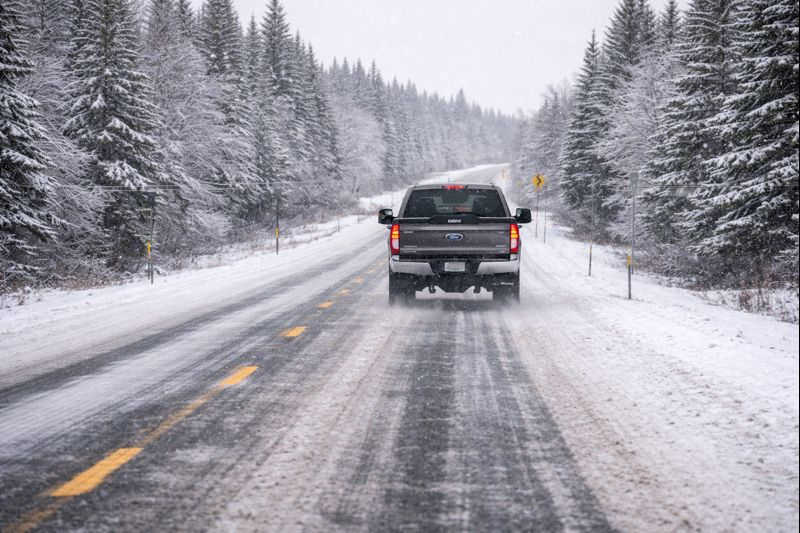
Winter driving in Central Newfoundland is just part of life. Between sudden whiteouts, icy stretches of the Trans Canada Highway, and long backroads with limited services, being prepared isn’t optional. It’s how you get home safely.
Whether you’re commuting around Gander, travelling from Grand Falls-Windsor, or making a longer trip across the island, this checklist covers what actually matters before you turn the key.
1. Start With the Basics Before You Leave
Cold weather is hard on vehicles, especially when temperatures drop quickly or fluctuate overnight. Before any winter drive, especially longer trips, take a few minutes to check the essentials.
- Battery condition and cold-cranking performance
- Windshield washer fluid rated for winter use
- Wiper blades for cracking or streaking
- All exterior lights for visibility in snow and low light
If something doesn’t feel right, winter is not the season to ignore it.
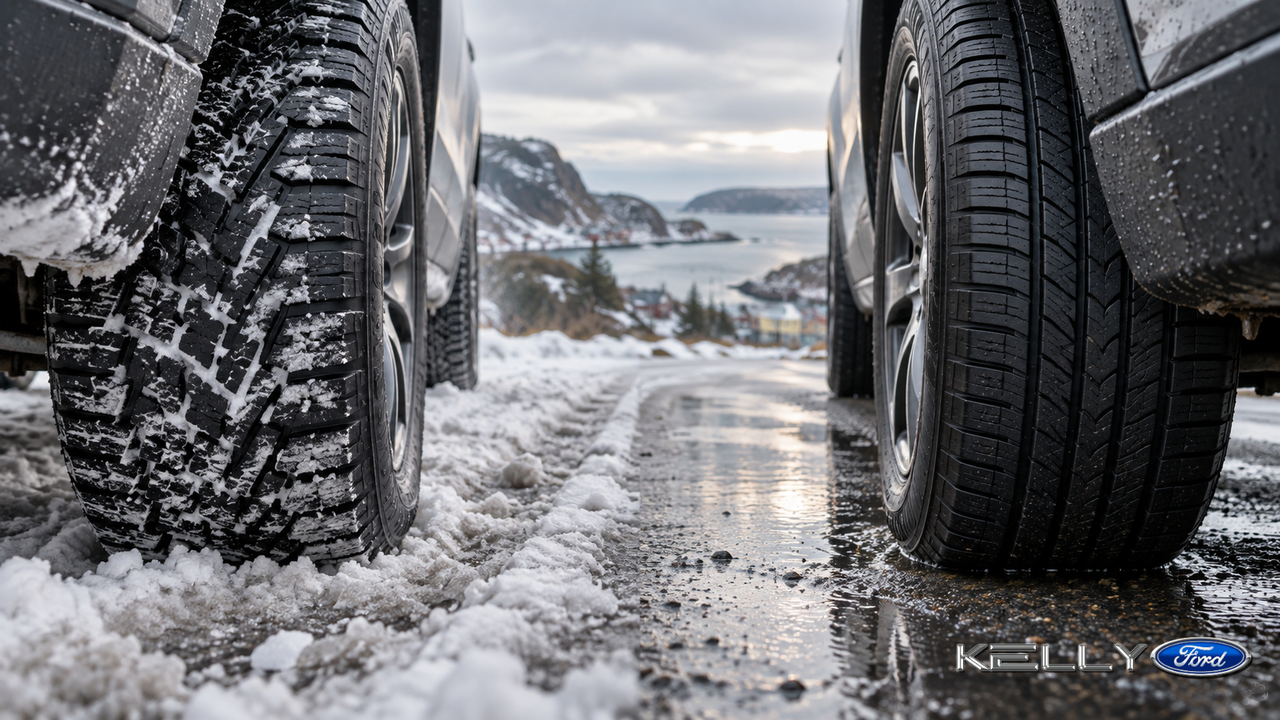
2. Tires Matter More Than Anything Else
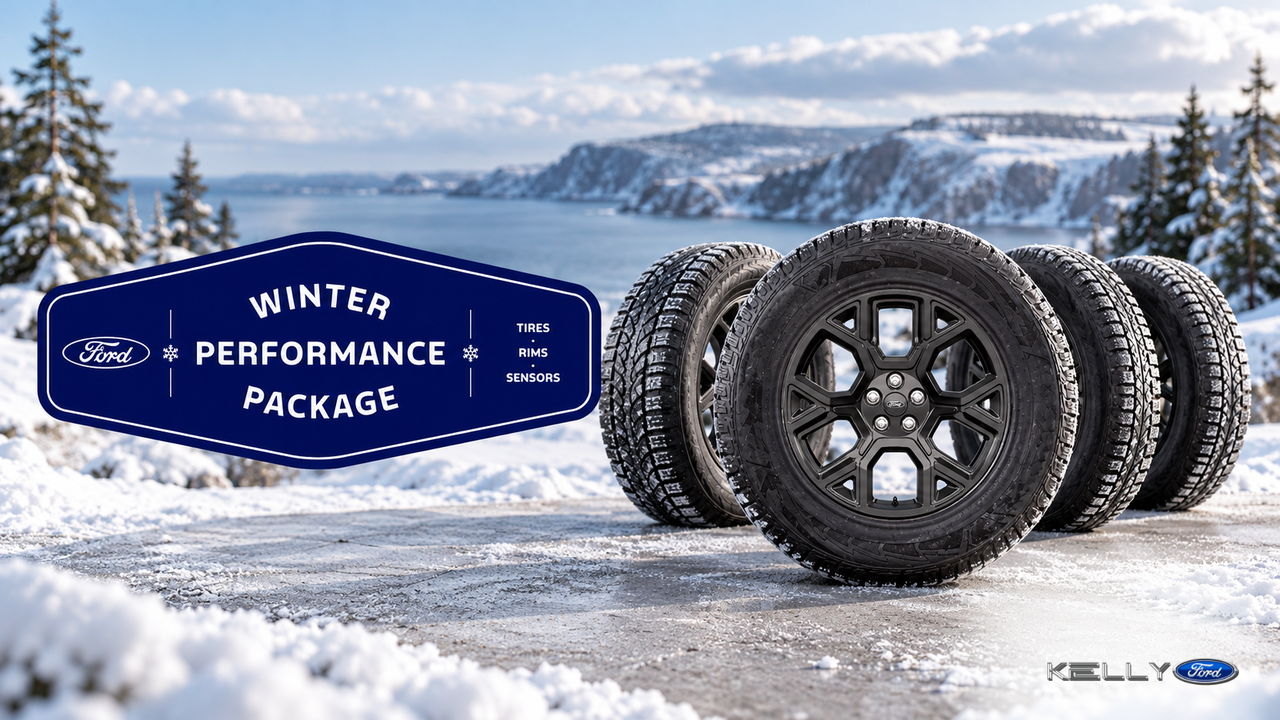
Winter tires are the single biggest factor in maintaining control on snow and ice. All four tires should be winter-rated, properly inflated, and have sufficient tread depth.
- Winter tires installed on all four wheels
- Good tread depth for snow and slush traction
- Correct tire pressure, which drops as temperatures fall
Studded tires are permitted in Newfoundland starting November 1 and typically remain legal until the end of April, with extensions sometimes announced depending on conditions.
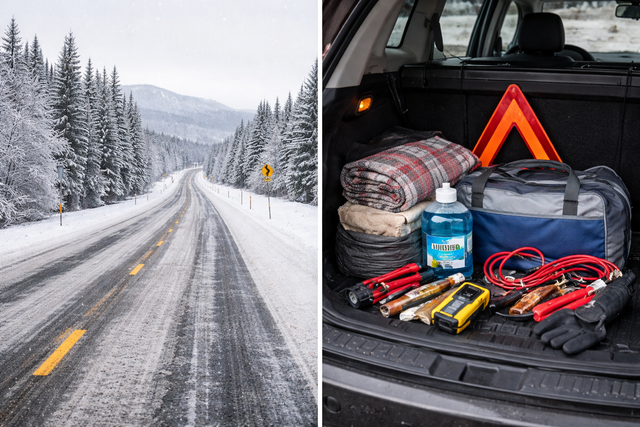
3. Pack a Real Winter Emergency Kit
Breakdowns happen, and cell service isn’t guaranteed everywhere. A proper winter emergency kit can turn a stressful situation into a manageable one.
- Warm blanket or sleeping bag
- Extra gloves, hat, and socks
- Flashlight with spare batteries
- Jumper cables or a portable boost pack
- Small shovel and traction aid
- Phone charger or power bank
- Water and non-perishable snacks
4. Adjust How You Drive, Not Just What You Drive
Winter driving isn’t about confidence. It’s about patience and control. Adjusting your driving habits makes a bigger difference than most people realize.
- Reduce speed well before curves and intersections
- Increase following distance significantly
- Avoid sudden braking or sharp steering inputs
- Use lower gears when descending icy hills
- Watch for ice on bridges, overpasses, and shaded areas
5. Check Road Conditions Before You Go
Road and weather conditions in Newfoundland can change quickly. Before heading out, especially during active weather systems, check official provincial road condition updates for advisories, visibility warnings, and plow activity.
6. Know When to Stay Put
Even with preparation, there are times when driving simply isn’t worth the risk. Whiteout conditions, freezing rain, and heavy snow can overwhelm drivers and equipment alike.
If conditions deteriorate quickly, pull over somewhere safe, turn on your hazard lights, and stay in your vehicle until conditions improve. Arriving late is always better than not arriving at all.
Drive Confidently This Winter
A winter-ready vehicle makes every drive safer and less stressful. From battery testing and tire inspections to wipers and washer fluid, a quick check can prevent bigger problems down the road.
If you’re unsure whether your vehicle is ready for winter driving, the Kelly Ford Service Team is here to help keep your vehicle prepared for Newfoundland conditions.
Book a winter safety inspection today and drive with confidence this season.
Author: Kelly Ford Service Team
The Kelly Ford Service Team supports drivers across Central Newfoundland with seasonal maintenance, safety inspections, and practical advice designed for local road and weather conditions.