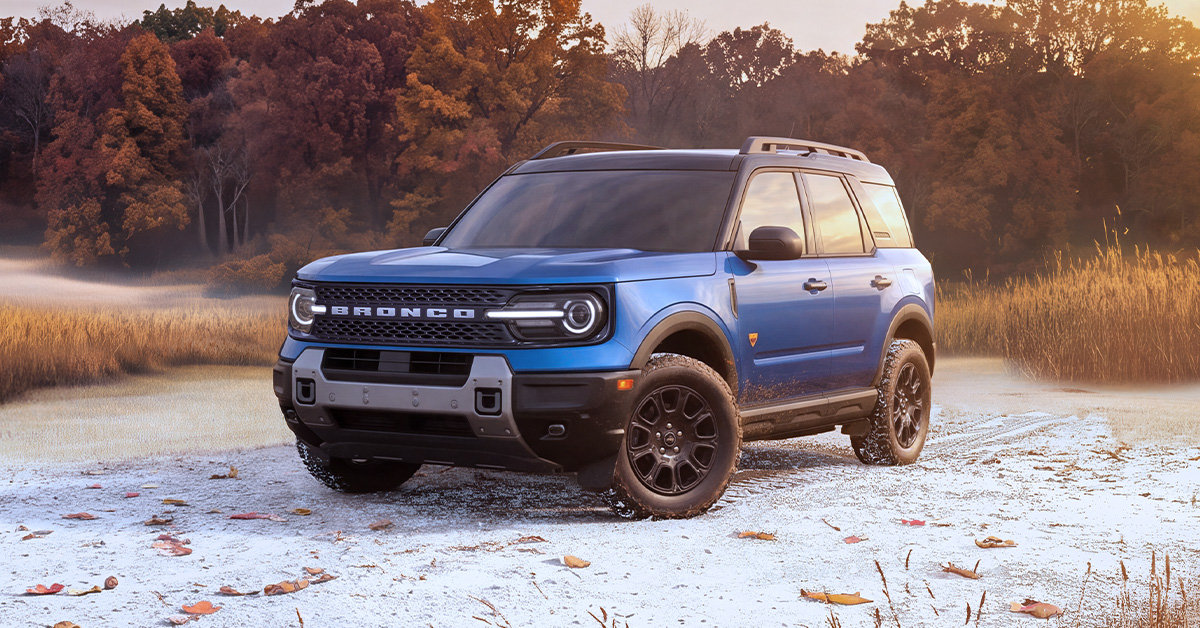
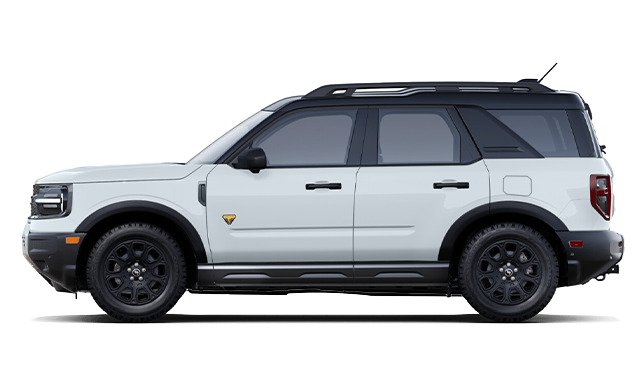
Considering a Bronco Sport for winter? Learn how 4x4, Slippery mode and tire choice work together, plus what to compare for driving in Central Newfoundland.
Shopping for an SUV before winter brings up some practical questions. Is four-wheel drive standard? What do the different drive modes actually do? And will you still need winter tires?
For someone considering a Ford Bronco Sport, understanding how those pieces work together is more useful than simply counting capability features.
Is the Ford Bronco Sport good in snow?
The Bronco Sport has equipment that can help with winter driving, including standard 4x4 and a Slippery drive mode across the 2026 Canadian lineup. That makes it worth considering for drivers looking for a compact SUV for snowy commutes and everyday winter use.
Its suitability still depends on the tires fitted to the vehicle, the conditions you encounter and how you drive. Transport Canada recommends winter tires on all wheels for cold, snowy or icy conditions, along with lower speeds and extra following distance when roads are slippery.
For shoppers, that means looking at the complete winter setup: the vehicle, its equipment and the tires you plan to use.
What does the Bronco Sport's 4x4 system offer?
Ford lists 4x4 as standard on the 2026 Bronco Sport Big Bend, Heritage, Outer Banks and Badlands. You don't have to move to the highest trim simply to get four-wheel drive.
There are differences within the lineup. Badlands includes an advanced 4x4 system with a twin-clutch rear drive unit. The available Sasquatch Outer Banks Package also brings advanced 4x4, alongside additional off-road equipment.
Those differences matter when comparing vehicles, but winter commuting is only one part of the decision. Think about whether you'll mainly use maintained roads or also spend time on rougher routes to a cabin, campsite or trailhead.
Which Bronco Sport drive mode should you use in winter?
Slippery mode is the relevant setting for firm roads covered with snow or ice.
Ford describes this mode as adjusting the vehicle for slick surfaces, including rain, snow and ice. On the 2026 Bronco Sport, it's included among the standard G.O.A.T. Modes, Ford's name for its selectable terrain settings.
One distinction is especially useful: Off-Road mode isn't the setting to choose simply because there's snow on the road.
The 2026 owner's manual specifically warns against using Off-Road mode on firm, slippery surfaces such as snow-covered pavement, icy pavement or packed snow. It directs drivers to Slippery mode for those conditions. Off-Road mode is intended for different surfaces and driving situations.
Always follow the owner's manual for your particular vehicle. Drive-mode instructions can differ between models, engines and model years.
Does a Bronco Sport still need winter tires?
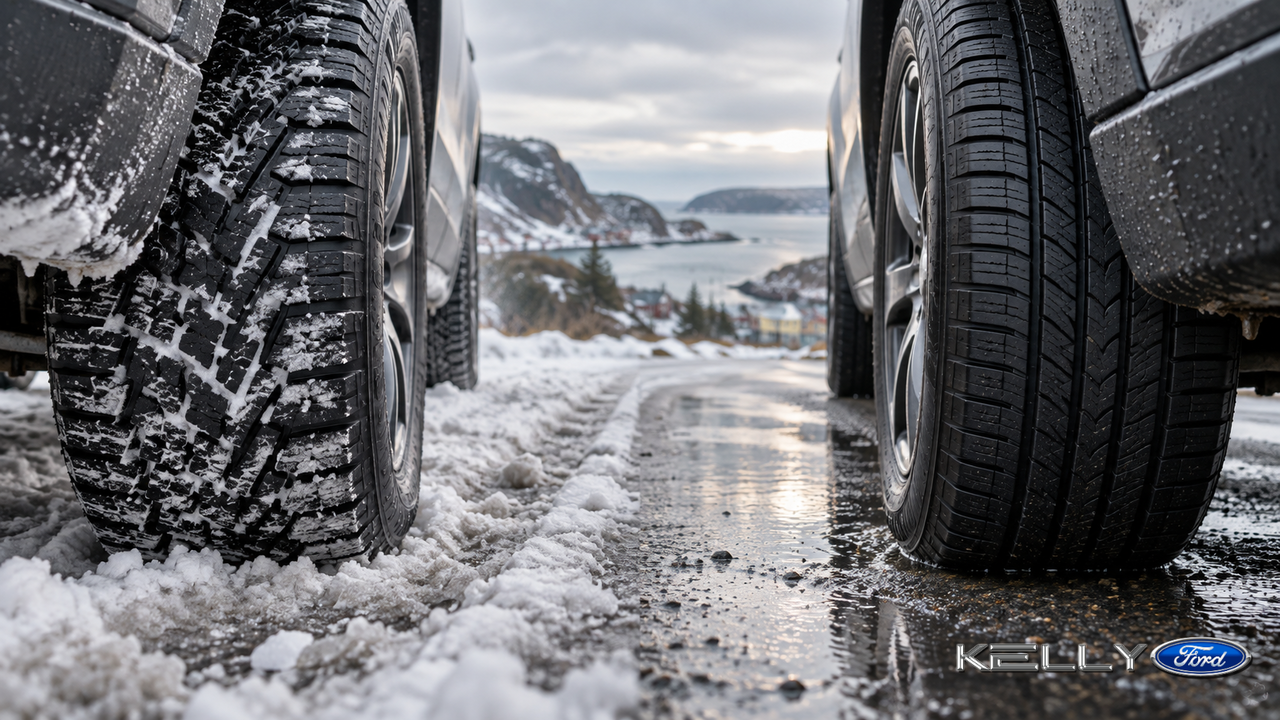
Yes. Having 4x4 and selectable drive modes doesn't remove the need to choose tires suited to winter conditions.
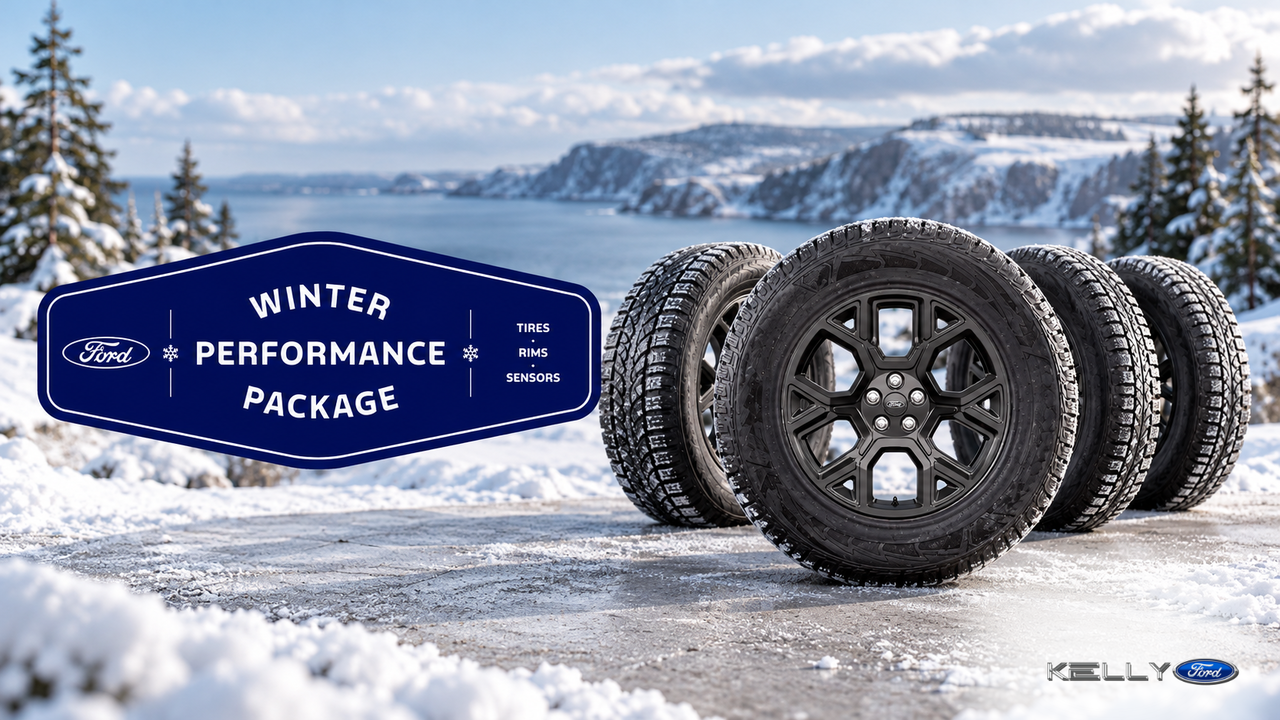
Transport Canada recommends winter tires on all wheels for driving in cold, snow or ice. Their rubber compounds and tread designs help provide better traction in those conditions than conventional all-season tires.
Check the actual tires on the vehicle you're considering rather than assuming its trim name tells you everything. Ford lists different original tire equipment across the Bronco Sport range, including all-season and all-terrain options.
If you're deciding between dedicated winter tires and a year-round all-weather option, our winter tires vs. all-weather tires guide explains the differences and the driving situations worth considering.
Do you need Badlands or Sasquatch for winter driving?
You don't need either simply to get standard 4x4 and Slippery mode. Those features are already included across the 2026 lineup. Badlands and the available Sasquatch packages add equipment aimed at expanding off-road capability.
For someone choosing an SUV mainly for school runs, shopping and commuting, it makes sense to compare comfort, price and the planned winter-tire setup alongside capability.
Someone who also uses rough access roads may have different priorities. In that case, a closer comparison of suspension, underbody protection and other off-road equipment can help determine which configuration fits.
The useful question is: Which equipment will you regularly use?
What should Central Newfoundland drivers consider?
Start with the trips you actually make.
If your workday involves travelling between communities, ask yourself how much flexibility you have when the weather changes. Can you postpone the trip, or do you need to leave early every morning? What winter tires will you use, and what conditions would make you delay travelling?
If most of your driving is around town, your priorities might include comfortable seating, visibility and features that make cold mornings easier.
Ford Canada lists heated front seats as standard on the 2026 Bronco Sport, with a heated steering wheel available. Confirm the equipment on the specific vehicle you're considering.
For cabin trips, consider the access road separately from the highway portion of the journey. Ask whether it's maintained through winter and whether you can safely reach your destination under the conditions expected that day.
What should you compare before choosing a Bronco Sport?
Before deciding, check:
- The model year, trim and packages on the specific vehicle.
- Its fitted tires and your planned winter-tire setup.
- The drive modes and instructions in its owner's manual.
- The comfort features you'll use regularly.
- How well the configuration suits your everyday roads and occasional trips.
At Kelly Ford in Gander and Grand Falls-Windsor, we can help you compare Bronco Sport configurations and talk through a winter setup for the driving you do.